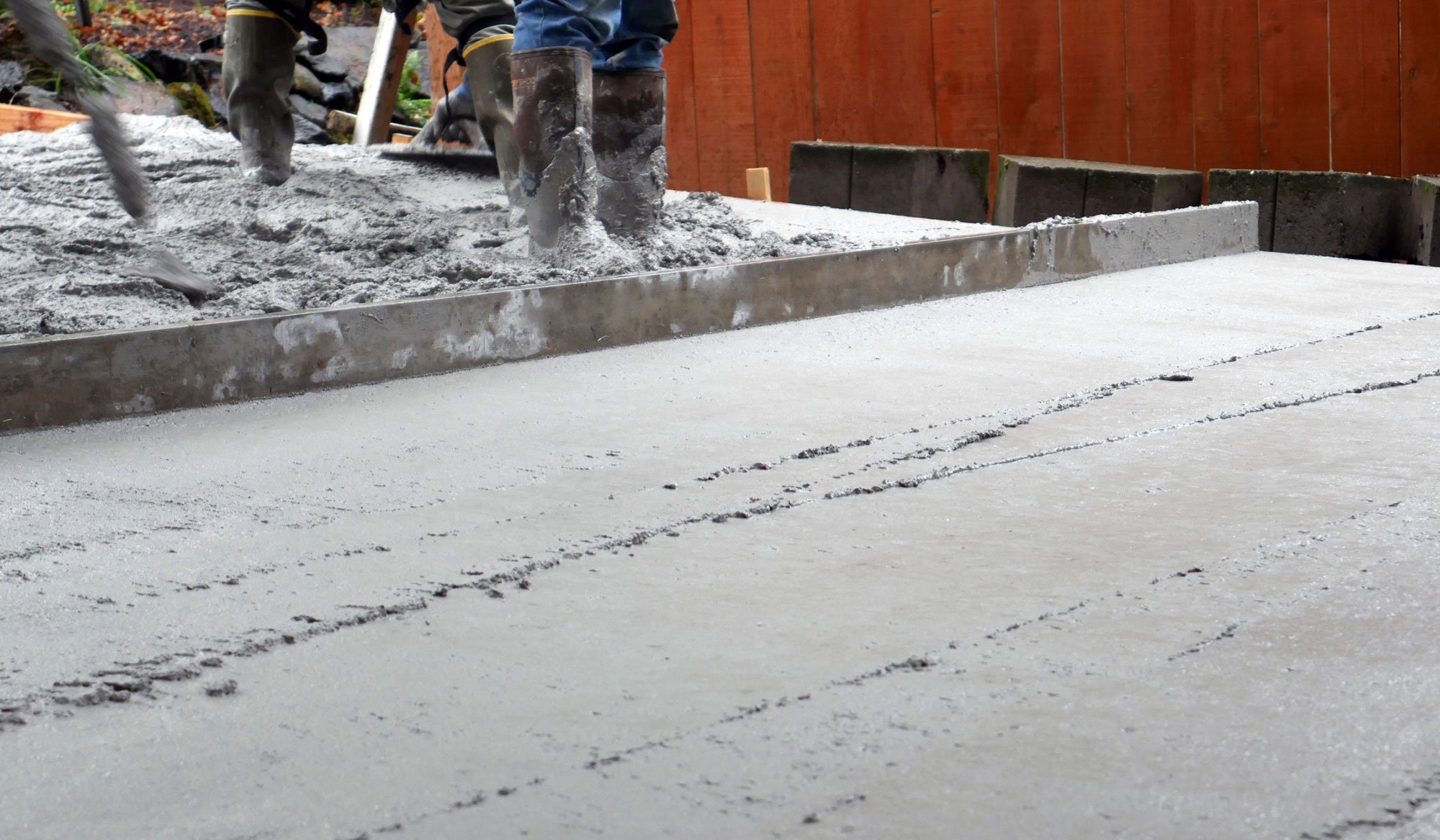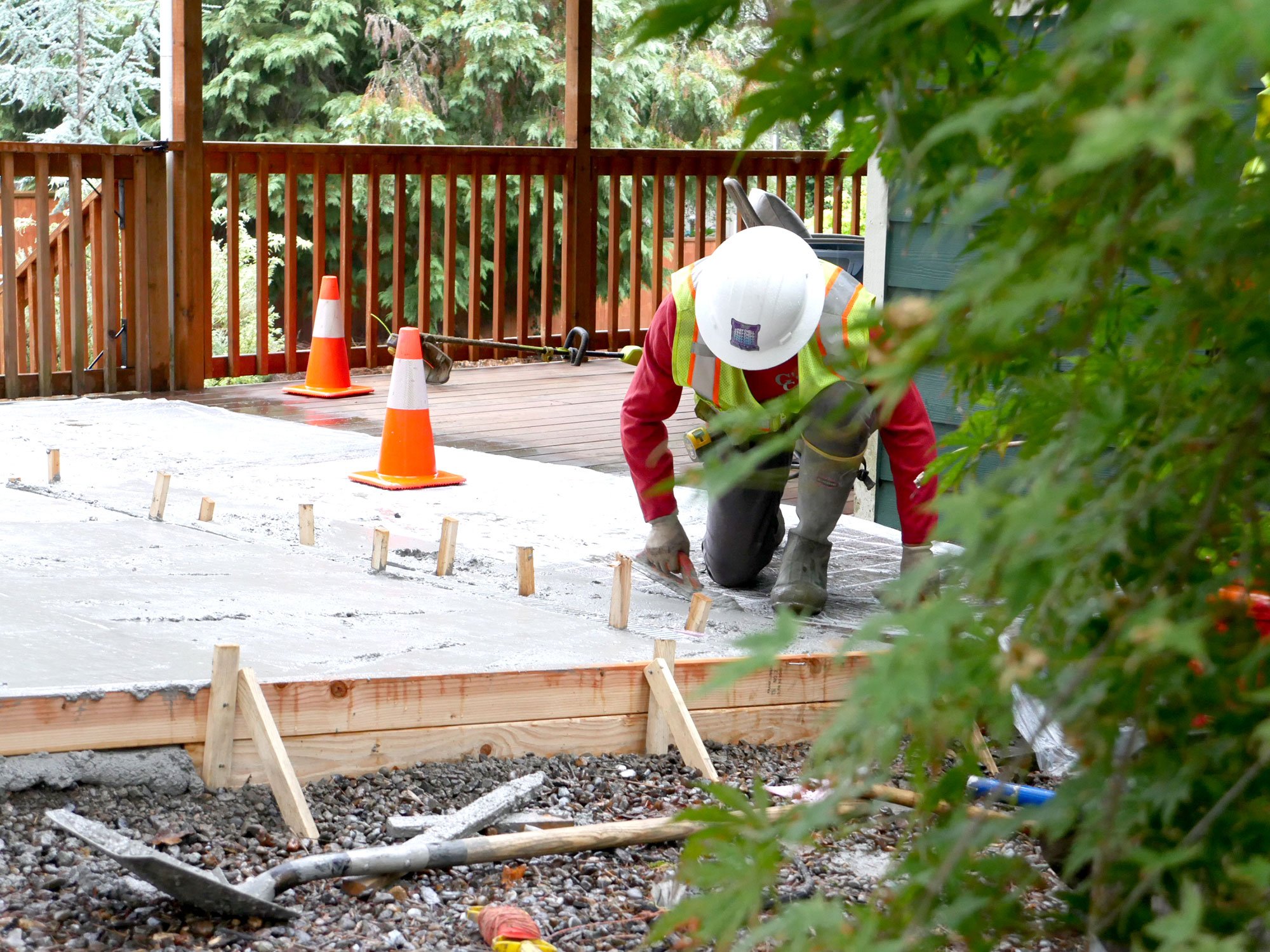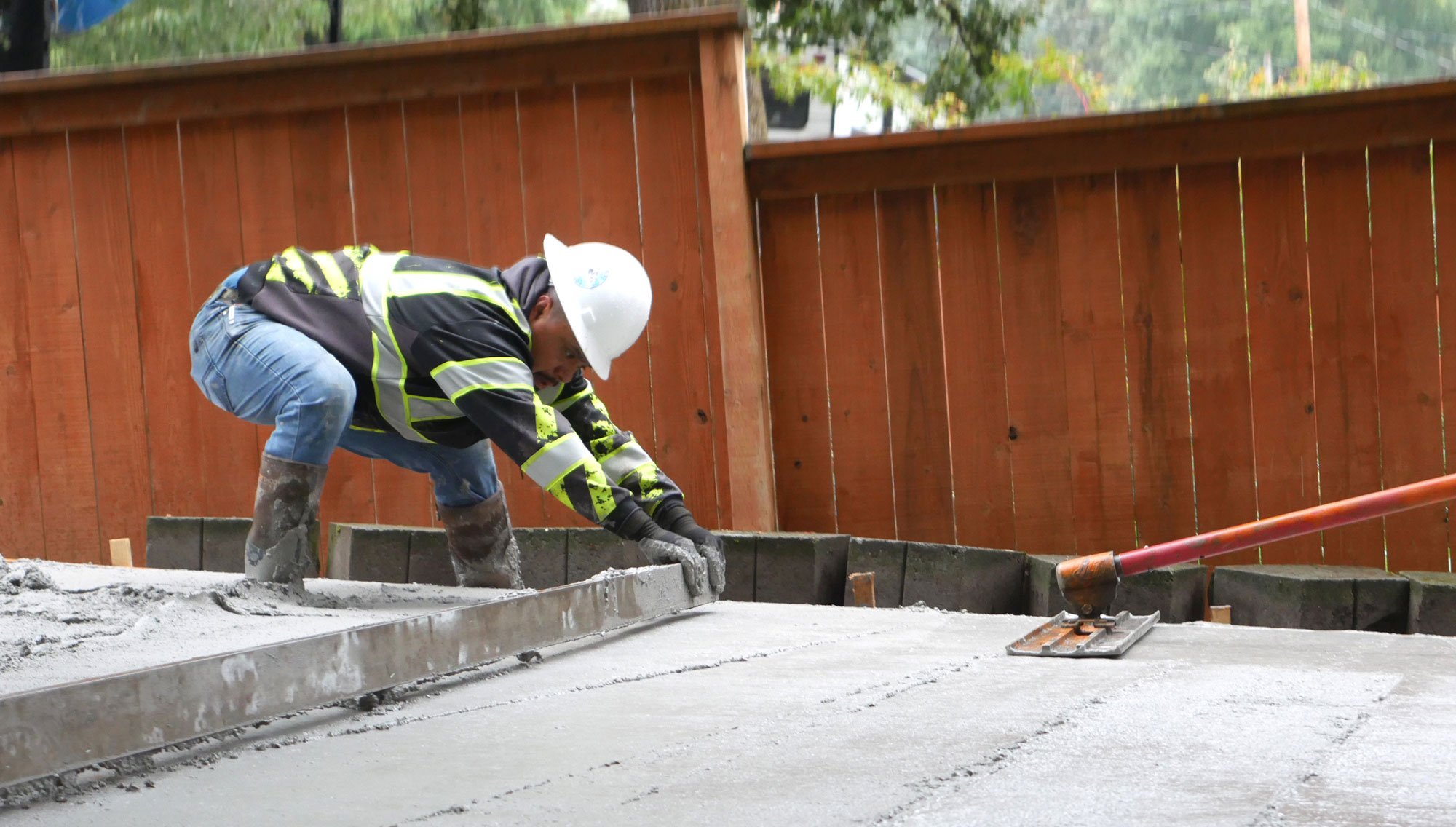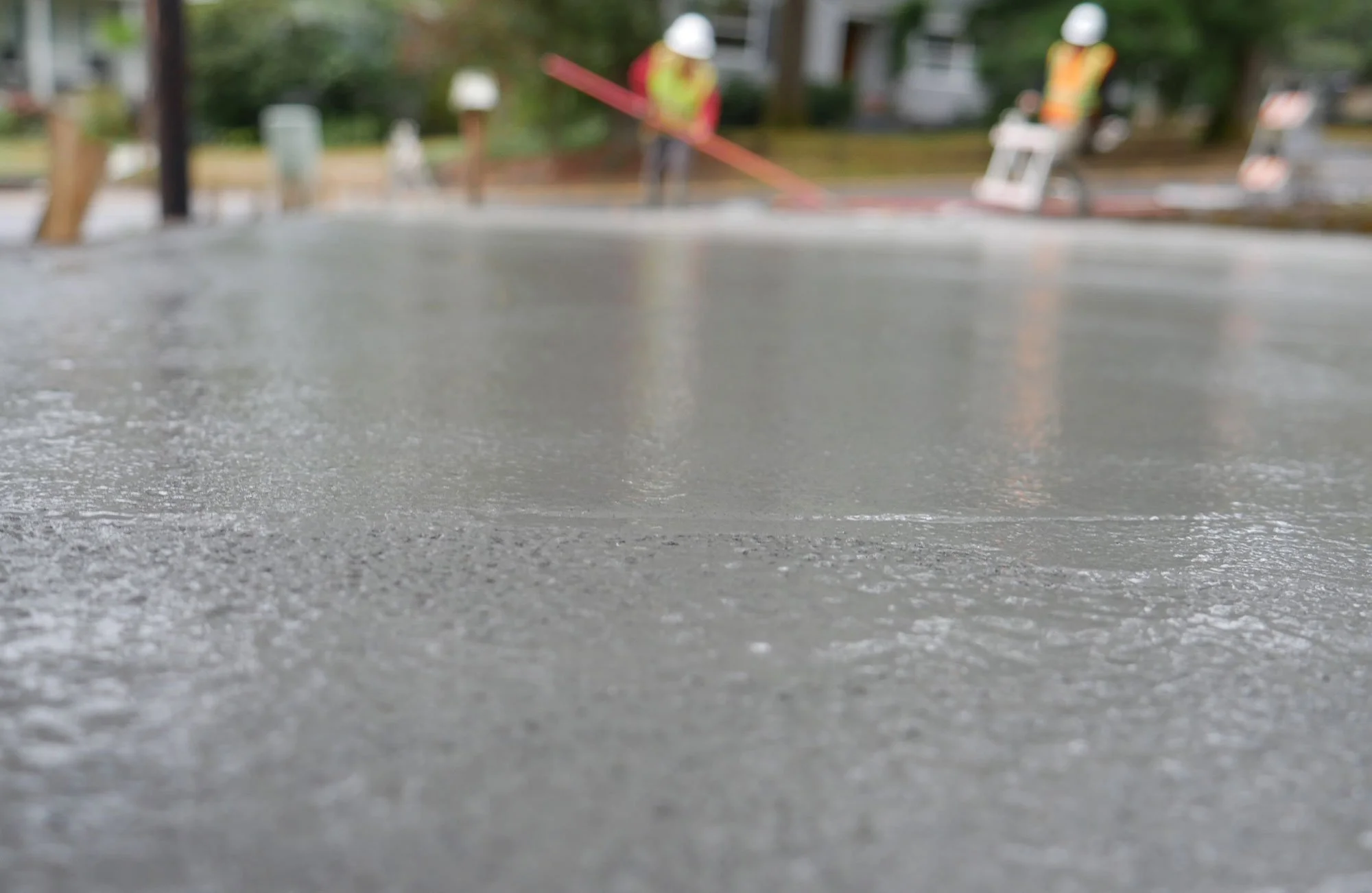

West Linn Driveway
Pour Date:
September 30, 2024
Project:
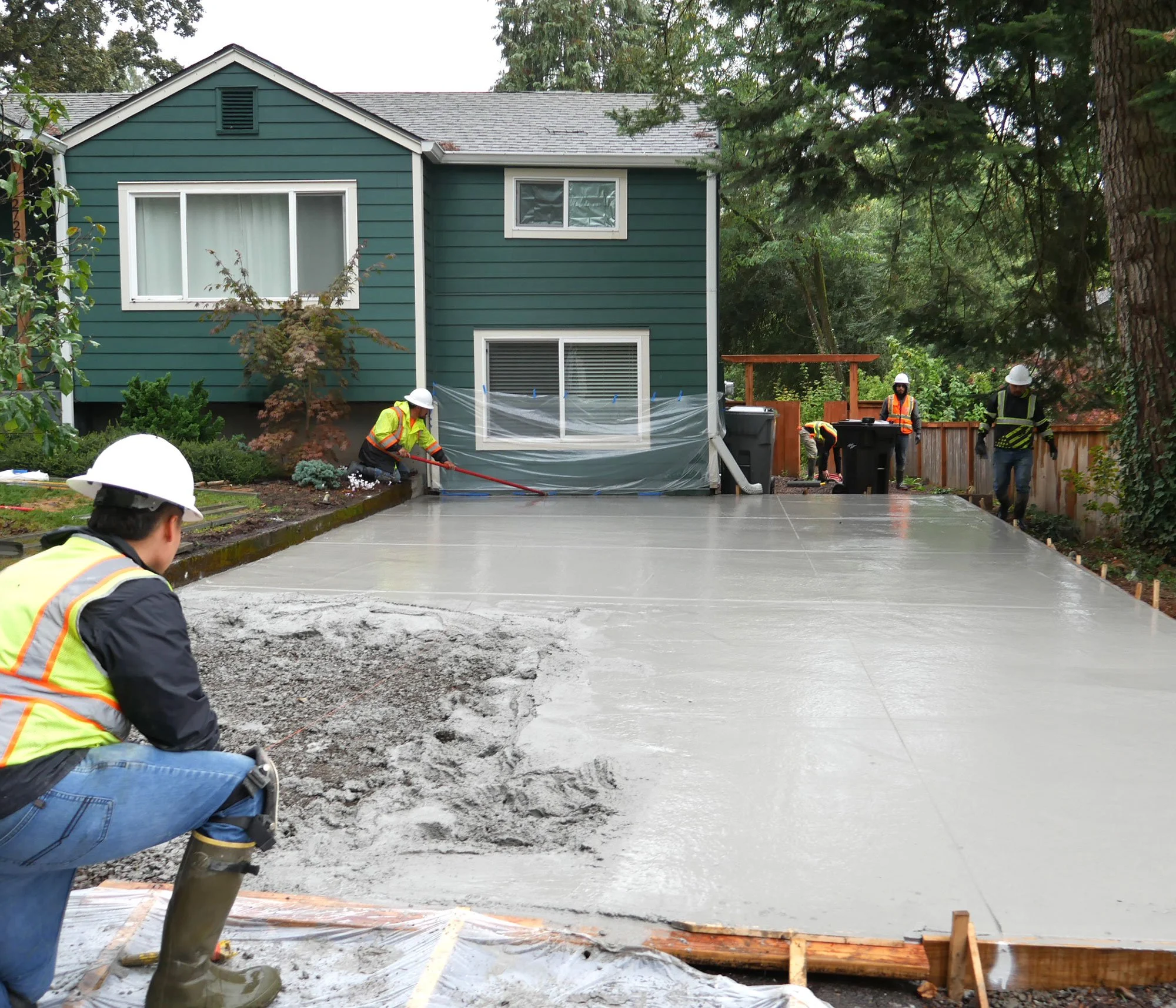
Driveway in West Linn, OR
Amount:
20 cubic yards
Use:
Driveway
West Linn Driveway - Demonstrating the Power of Technology Stacking in Ultra Low Carbon Concrete
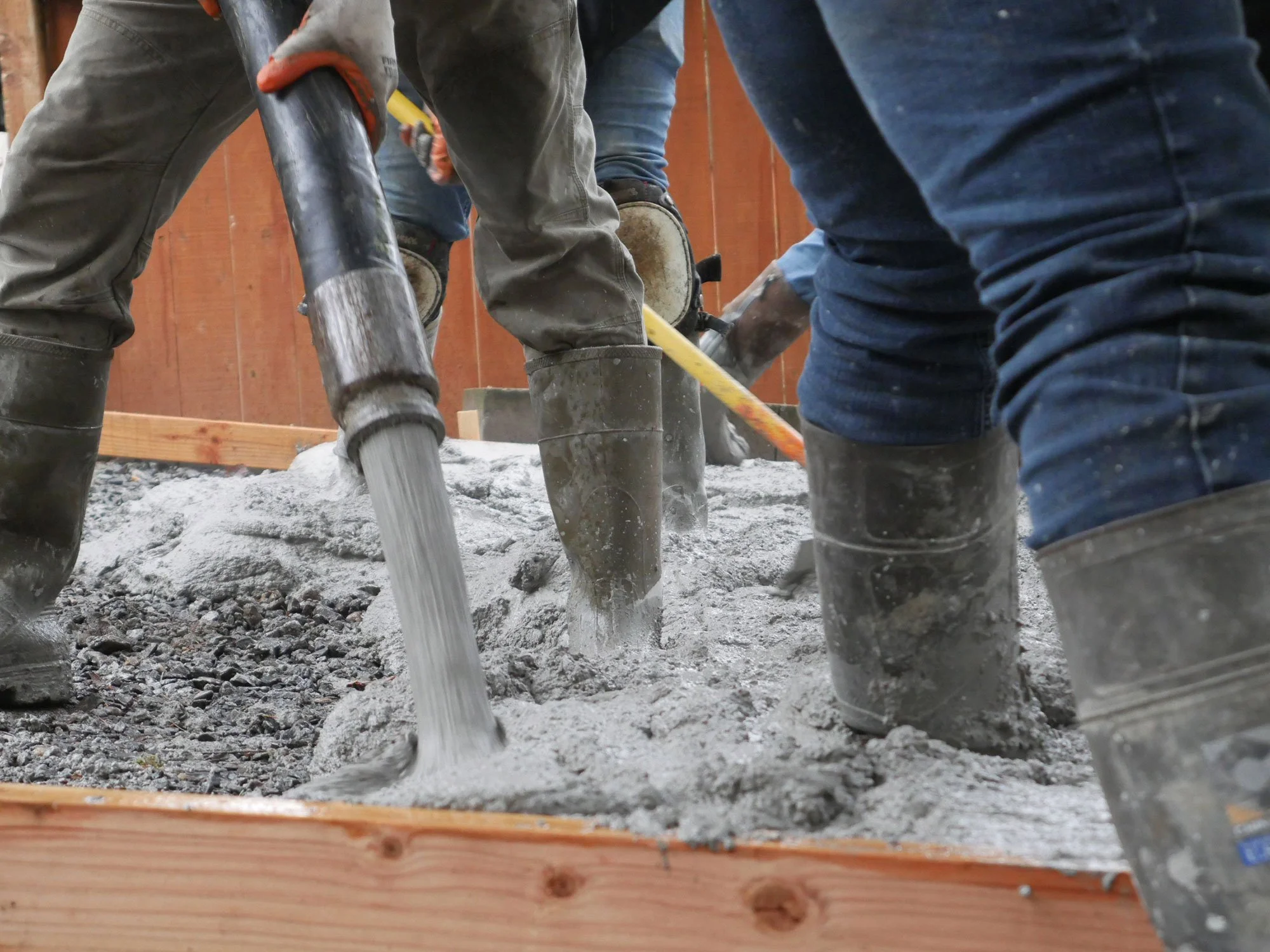
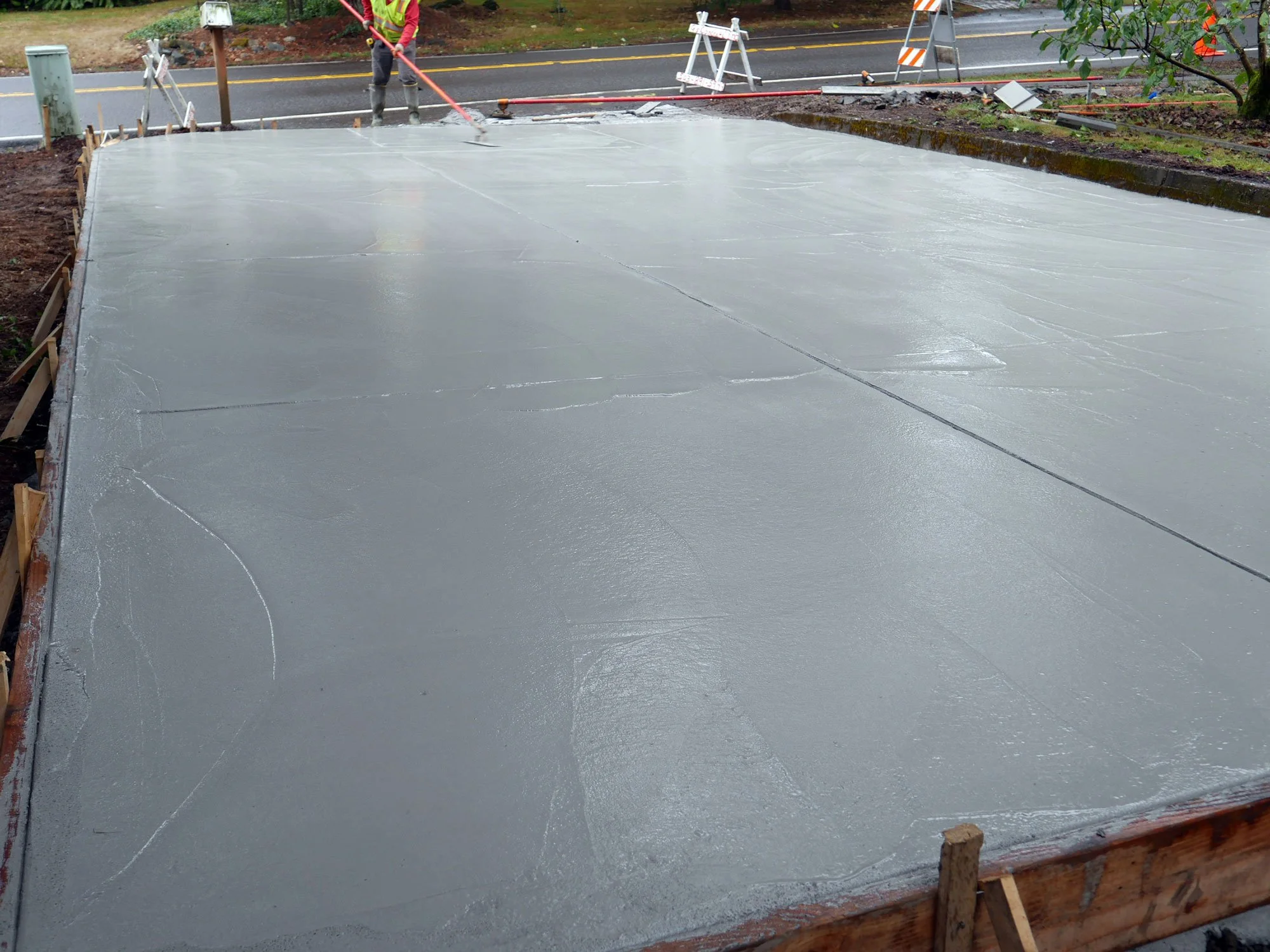
Completed in September 2024, the West Linn Driveway project represents a meaningful step forward in redefining the carbon profile of everyday concrete applications. Delivered in partnership with Wilsonville Concrete Products, the installation served as a real-world trial of an Amrize cement free concrete system utilizing EcoPact Max binder featuring activated slag as the primary cementitious material. By removing traditional Portland cement, historically the largest contributor to concrete’s embodied carbon, the project dramatically reduced emissions at the material level before the concrete was even placed.
What distinguishes this driveway is the intentional stacking of complementary climate technologies. An ultra-low carbon binder platform established the foundation of the mix design, while Solid Carbon contributed carbon negative ingredients engineered to store stable biogenic carbon directly within the concrete matrix. Instead of relying on a single innovation, the project demonstrates how layered solutions can compound climate benefits and accelerate the transition toward deeply decarbonized construction materials.
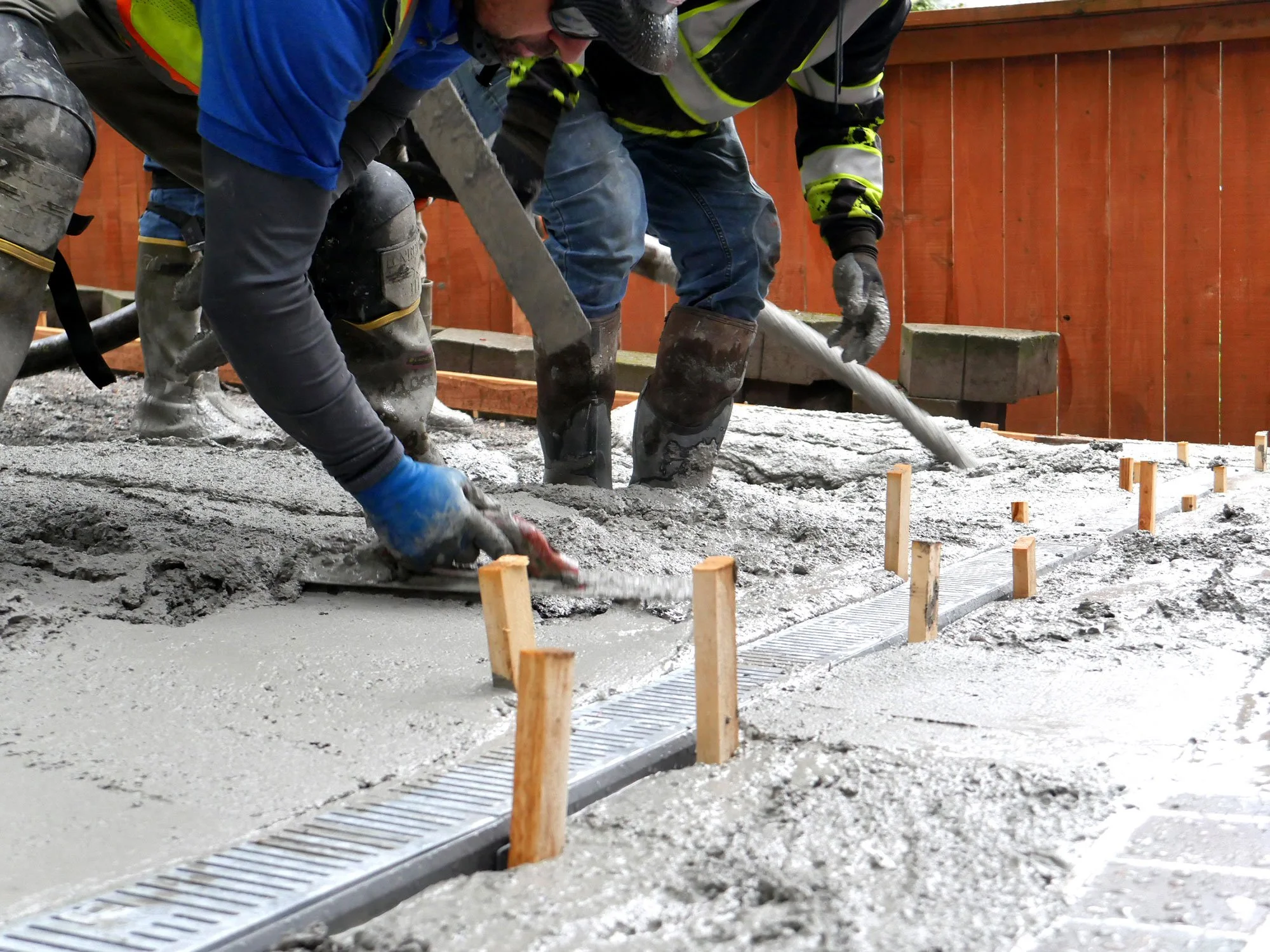
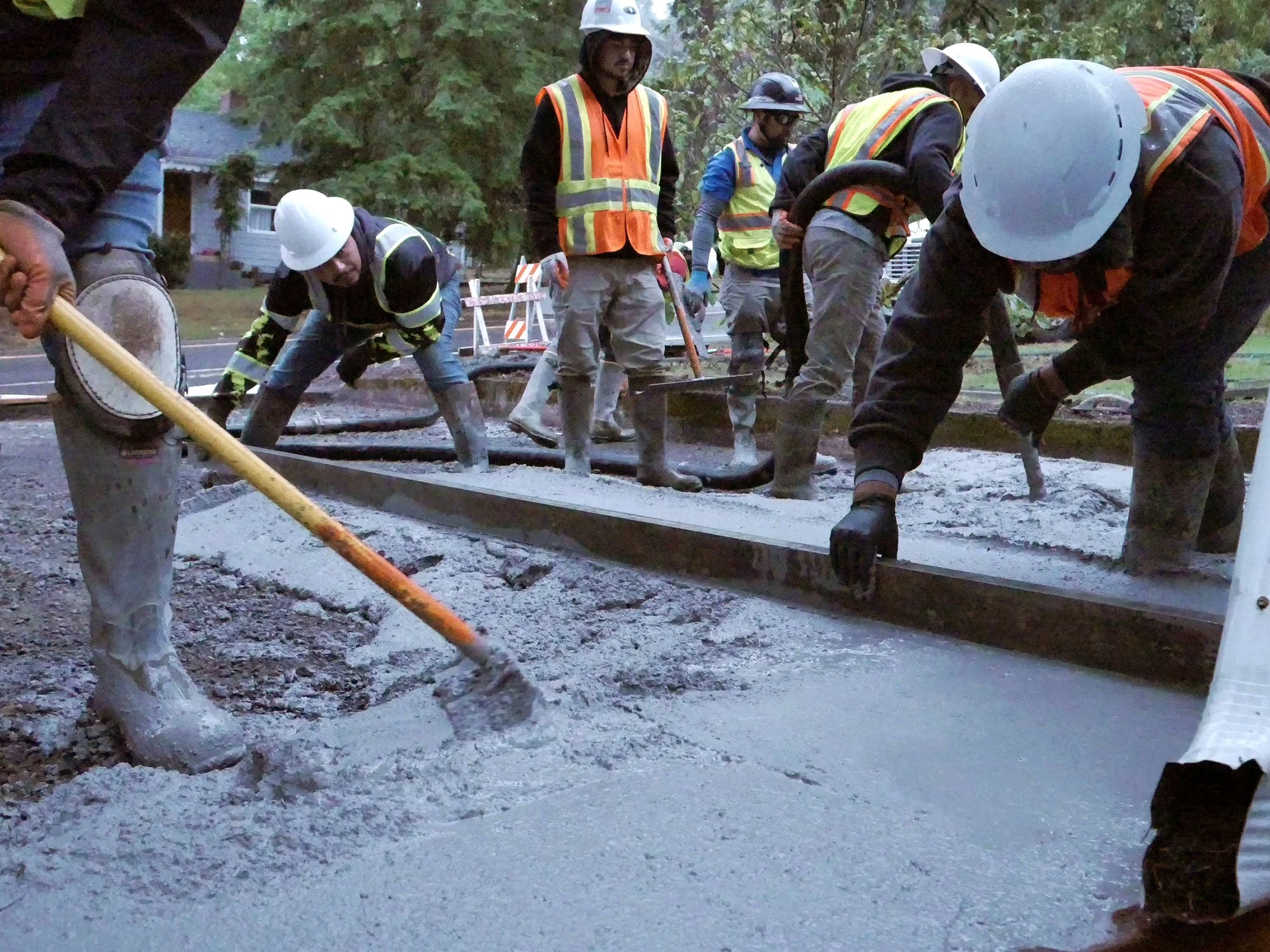
Residential driveways are rarely viewed as climate infrastructure, yet they represent significant material volume across the built environment. This installation proves that even routine flatwork can serve as a proving ground for advanced materials without compromising constructability, durability, or long term performance. Field placement confirmed that emerging binder systems and carbon storing technologies can work seamlessly within conventional installation practices, an important signal for broader adoption.
More than a successful pour, the West Linn Driveway offers a practical blueprint for the future of concrete. By pairing cement free binder chemistry with carbon negative additives, the project illustrates a scalable pathway toward near zero embodied carbon, transforming ordinary infrastructure into a measurable part of the climate solution.